
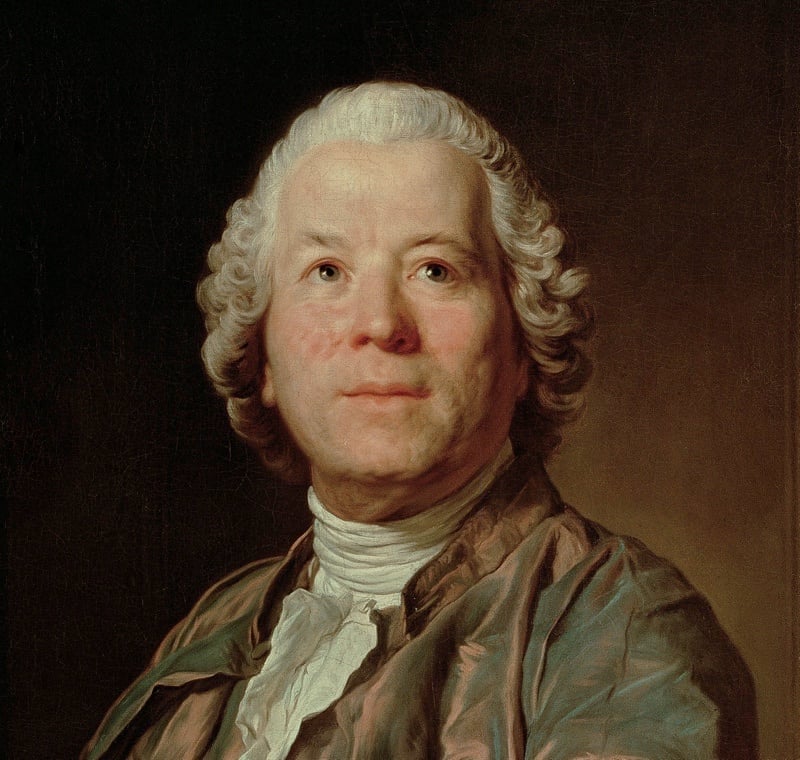
Christoph Willibald Gluck, a German composer from the Classical period, was born in Bavaria, where he received his early musical education from his father, an amateur musician. He later studied music with various teachers in Bohemia and Italy, where he learned about the operatic traditions of the time.
Gluck started his career as a composer of operas in the Italian style, writing works such as "Artaserse" and "Il Tigrane." However, he felt that opera had become too focused on superficial spectacle and showy vocal display. As a result, he began to experiment with a new form of opera that he called "opera seria," which placed greater emphasis on the dramatic elements of the genre.
In 1762, Gluck moved to Vienna, where he became the court composer for Emperor Joseph II. There, he continued to refine his ideas about opera and wrote his most famous work, "Orfeo ed Euridice," in 1767. This opera marked a turning point in the history of opera, as it introduced a new style that emphasized simplicity, clarity, and emotional sincerity.
Gluck continued to write operas in this new style, including "Alceste," "Iphigénie en Aulide," and "Armide." His works were popular throughout Europe and influenced many other composers, including Mozart and Beethoven. Gluck was also a prolific composer of instrumental music, including symphonies and chamber music.
Gluck died in Vienna in 1787, leaving behind a legacy as one of the most important composers of the Classical period and a pioneer in the development of opera as a dramatic art form. His ideas about the role of music in drama continue to influence composers and performers today.