
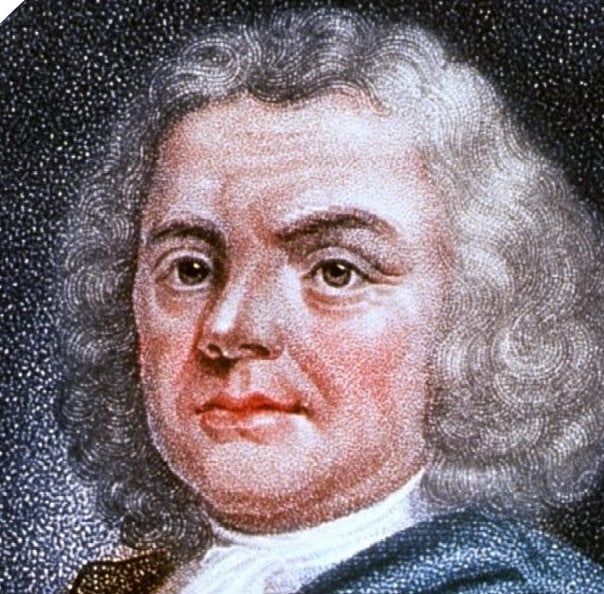
Hermann Boerhaave was a well-known Dutch physician, chemist, and botanist who made important contributions to the fields of medicine and science during the 18th century. He was born in Voorhout, a small town in the Dutch province of South Holland, on December 31, 1668.
Boerhaave's father was a pastor, and he intended his son to follow in his footsteps. However, Boerhaave's love for science led him to study medicine at the University of Leiden, where he received his doctorate in 1693. After completing his studies, he spent several years traveling across Europe to further his education, studying under some of the leading physicians and scientists of the time.
In 1701, Boerhaave was appointed as a professor of medicine at the University of Leiden, a position he held for the rest of his life. He quickly gained a reputation as an excellent teacher and a gifted clinician. His lectures attracted students from all over Europe, and he became known as the "father of clinical teaching." He also developed a reputation as an expert in chemistry and botany, publishing several books on these subjects.
Boerhaave's most important contribution to medicine was his development of a systematic method of diagnosis, known as the "Boerhaave method." This method involved taking a thorough medical history, performing a physical examination, and using the results of laboratory tests to make a diagnosis. It was the first time that laboratory tests were integrated into the diagnostic process and became a standard method of diagnosis that is still used today.
Boerhaave also made several important discoveries in the field of chemistry. He was the first to identify the element carbon as the basis of all organic matter, and he also discovered the properties of several acids, including nitric acid and sulfuric acid. He was a pioneer in the field of medical chemistry, developing a number of new remedies and drugs.
Throughout his career, Boerhaave received many honors and accolades for his contributions to medicine and science. He was a member of numerous scientific societies and was awarded the prestigious Copley Medal by the Royal Society of London in 1728. He died on September 23, 1738, in Leiden, the city where he had spent most of his life.