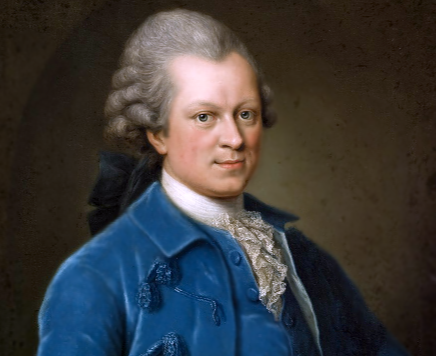
Gotthold Ephraim Lessing was a German writer, philosopher, and critic of the Enlightenment in Germany.
Lessing was born in 1729, in Kamenz, Saxony, into a Lutheran family of scholars and theologians. While his education started in theology and philosophy, his passions soon led him towards literature and drama. He quickly established himself as a major literary figure in Germany, with works such as "The Young Scholar" and "Miss Sara Sampson."
Lessing's literary career was deeply rooted in Enlightenment ideas that aimed to create a more just and equitable society. He believed in the use of reason and critical thinking, which led him to criticize dogmatism and intolerance in religion and politics.
His contributions to German culture also included philosophy. He wrote extensively on aesthetics, ethics, and religion, and believed that each art form had its own strengths and limitations. He explored this idea in his famous work, "Laocoon: An Essay on the Limits of Painting and Poetry."
Lessing's legacy also includes his work in the development of German theatre. He believed that theatre could be a powerful tool for social and political change, and he worked to develop a new style of drama that would be more accessible to a wider audience. His ideas about theatre are summarized in his famous essay, "Hamburg Dramaturgy," which he wrote during his time as a literary advisor at the Hamburg National Theatre.
Later generations of German writers and thinkers have continued to value Lessing, who remains one of the central figures in the history of German thought.