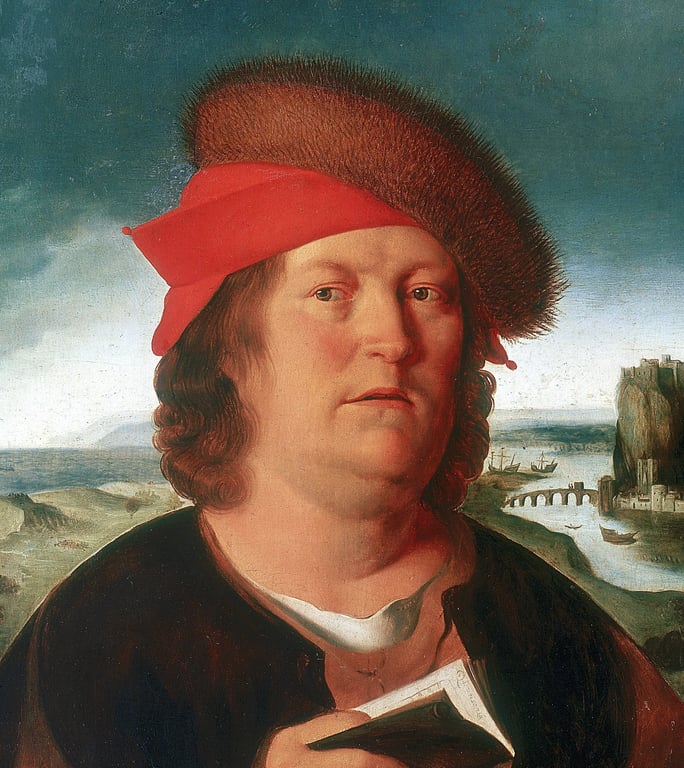
Paracelsus was a Swiss physician, alchemist, and philosopher who made important contributions to the fields of medicine, chemistry, and toxicology during the Renaissance period.
Paracelsus was born Philippus Aureolus Theophrastus Bombastus von Hohenheim, into a family of physicians in the village of Einsiedeln in Switzerland. He was educated in medicine, theology, and philosophy at the University of Basel, where he was influenced by the teachings of the ancient Greek physician Galen and the Swiss physician Johannes Trithemius.
Paracelsus rejected the teachings of his predecessors and developed a new approach to medicine, based on the idea that diseases were caused by natural processes rather than supernatural causes. He believed that the human body was a microcosm of the larger universe, and that the same natural laws that governed the universe also governed the human body.
Paracelsus also made important contributions to the field of chemistry, introducing the idea that chemical substances could be transformed through chemical reactions. He believed that alchemy was not just about transmuting base metals into gold, but also about transmuting the human soul and spirit.
Paracelsus was a controversial figure in his time, and his ideas were often criticized by other physicians and scholars. He was known for his unconventional methods of treating patients, which included the use of herbal remedies and minerals, and for his belief in the healing power of nature.
Despite the controversy surrounding his work, Paracelsus's ideas and methods had a significant impact on the development of medicine and chemistry. He was one of the first physicians to use chemical compounds to treat diseases, and his ideas about the relationship between the human body and the natural world helped to pave the way for the development of modern medicine.
Paracelsus died in Salzburg, Austria in 1541, at the age of 48. His legacy continued to influence the development of medicine and chemistry for centuries to come.