
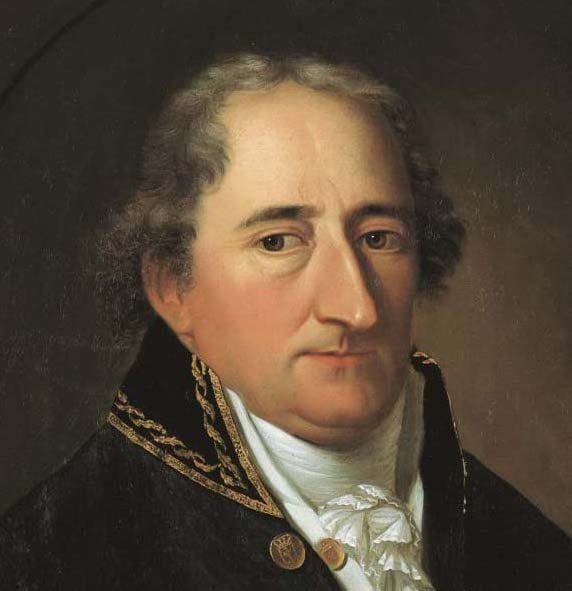
Karl Reichsfreiherr vom und zum Stein was a German statesman and reformer who played a key role in modernizing Prussia in the late 18th and early 19th centuries.
Stein was born into an aristocratic family in Nassau, Germany in 1757. He received a traditional education in law and philosophy and went on to work as a civil servant in various capacities, including serving as the governor of Westphalia.
Stein rose to prominence during the Napoleonic Wars, when Prussia suffered a series of devastating defeats at the hands of Napoleon's armies. In 1807, Stein was appointed as the chief minister of Prussia by King Frederick William III. Stein immediately set about implementing a series of reforms designed to modernize Prussia and make it more capable of competing with France.
One of Stein's key reforms was the abolition of the feudal system, which had long hampered social and economic development in Prussia. He also worked to centralize the government and streamline administration, and encouraged the growth of industry and trade. Stein played a key role in the formation of the German Confederation, which brought together a number of German states under a loose federal structure.
Stein's reforms strongly influenced Prussia and helped pave the way for the country's eventual rise to prominence in Europe. He retired from public life in 1812 and spent the rest of his days in relative seclusion, although he continued to be a respected figure and an inspiration to many.
Karl Reichsfreiherr vom und zum Stein was a German statesman and reformer who played a key role in modernizing Prussia in the late 18th and early 19th centuries. Born in 1757, he implemented reforms that helped create a more efficient and effective government, promoted education and economic development, and helped pave the way for Germany's later unification.