
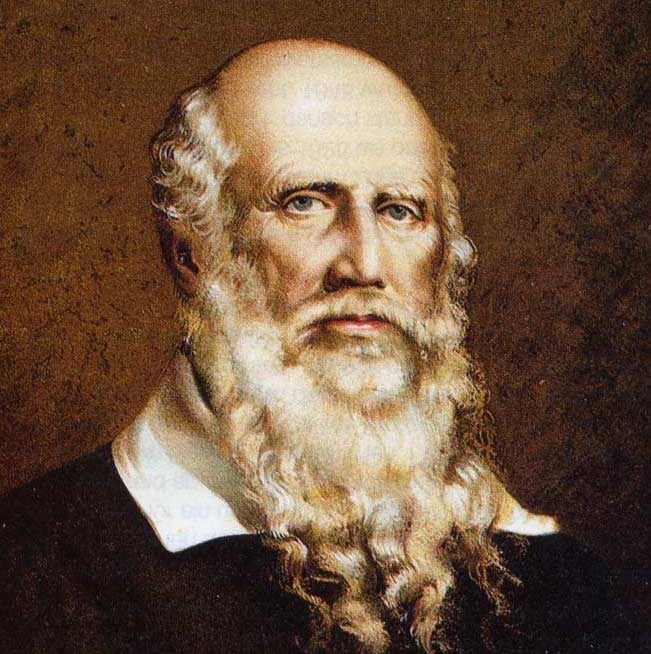
Friedrich Ludwig Jahn was a German gymnastics educator and nationalist who is widely considered the father of modern gymnastics. He was born in Lanz, a small village in the Margraviate of Brandenburg. Jahn's early years were marked by the political and social upheavals of the time, including the French Revolution and the Napoleonic Wars, which strongly influenced his worldview.
Jahn studied theology and philosophy at the University of Halle, but he dropped out in 1801 and began teaching gymnastics in the city of Berlin. He believed that gymnastics could improve people's physical health and contribute to their moral and patriotic education. Jahn's gymnastics programs included exercises such as jumping, running, and climbing, designed to build strength, endurance, and agility. Jahn also emphasized the importance of outdoor activities and created open-air gymnastics fields, or "Turnplatz", in different parts of Germany.
Jahn's emphasis on physical fitness was part of his larger vision of a strong and united German nation. He believed that gymnastics could foster a sense of national pride and unity among the German people, who were divided into many small principalities and under foreign rule. Jahn's nationalist views and his promotion of gymnastics led to his imprisonment by the Prussian authorities in 1819, who saw him as a political agitator. Jahn was released from prison in 1825 but was banned from teaching gymnastics.
Despite his setbacks, Jahn's ideas and methods of gymnastics continued to spread throughout Germany and other parts of Europe. His concept of Turnen, which combined gymnastics, sports, and military training, became popular in the mid-19th century and influenced the development of modern sports and physical education.