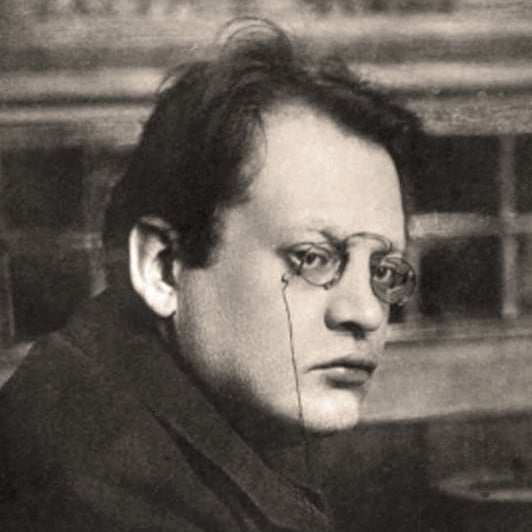
Max Reger was a German composer, conductor, and pianist who made important contributions to the music world during his lifetime. He was born in Brand, Bavaria, Germany, to a music teacher father who recognized his son's talent early on and provided him with early musical education.
Reger was a child prodigy who showed exceptional musical talent at a young age, and he quickly became a skilled pianist and organist. He began composing music in his teens and went on to study composition with Hugo Riemann at the University of Munich.
Reger's compositions were heavily influenced by the works of Bach, Beethoven, and Brahms. He was particularly interested in the fugue form, which he used extensively in his works, and his music was known for its intricate counterpoint, chromatic harmonies, and rich textures. Reger was also known for his use of unusual key signatures, such as those with double sharps or flats.
Throughout his career, Reger composed a vast amount of music, including orchestral works, chamber music, choral music, and vocal music. Some of his most famous works include his piano concerto, the Variations and Fugue on a Theme by Mozart, and the Four Tone Poems after Arnold Böcklin.
In addition to his work as a composer, Reger was also a skilled conductor and pianist. He frequently performed his own works and was known for his passionate and intense performances.
Regrettably, Reger's life was cut short when he died of a heart attack at the age of 43. However, his legacy lived on, and his music continued to be performed and admired by musicians and audiences alike.