
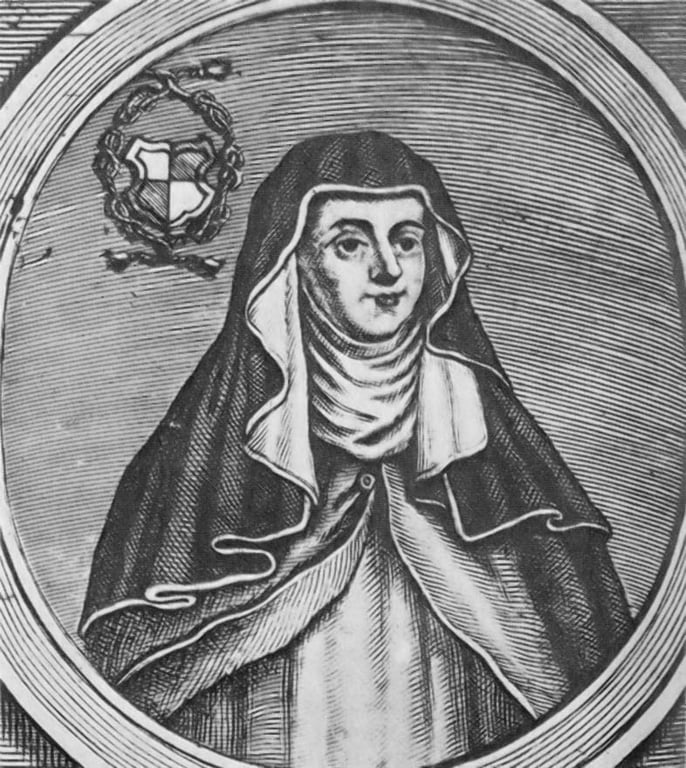
Hrotsvitha was a notable German dramatist, poet, and historian who lived during the 10th century. As a female writer in a male-dominated field, Hrotsvitha's works were both groundbreaking and exceptional. She was a nun at Gandersheim Abbey, a prestigious religious institution for noblewomen in Saxony, where she composed her works in Latin. Her plays and poetry offer valuable insights into the religious, social, and intellectual environment of her time.
Hrotsvitha was born around 935 during the rule of the Ottonian dynasty in what is now modern-day Germany. Although her family background is not well documented, it is believed that she came from a noble Saxon family, which allowed her to receive an education and join the esteemed Gandersheim Abbey as a canoness.
Hrotsvitha's works can be divided into three primary categories: drama, poetry, and historical writing. As a dramatist, Hrotsvitha is particularly noteworthy for being the first-known female playwright in the Western tradition and one of the earliest playwrights of the post-classical era. Her plays are written in Latin and are characterized by their religious themes and moral messages.
Her dramatic works consist of six plays, collectively referred to as the Comedies which were inspired by the Roman playwright Terence. Hrotsvitha's plays, however, differ from Terence's by incorporating Christian themes and promoting chastity and virtue. Some of her best-known plays include Gallicanus, Dulcitius, and Sapientia.
As a poet, Hrotsvitha composed verse in various forms, including panegyrics, legends, and religious epics. Some of her most famous poetic works include Gesta Ottonis, a panegyric celebrating the deeds of Emperor Otto I, and Primordia coenobii Gandersheimensis, a history of Gandersheim Abbey.
In her historical writing, Hrotsvitha documented the lives of various saints and the achievements of the Ottonian dynasty. These works serve as valuable primary sources for historians studying the 10th-century German religious and political landscape.