
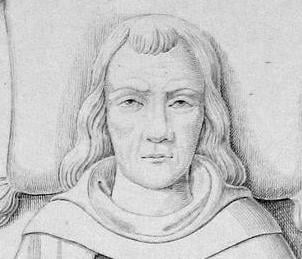
Berthold Von Henneberg, also known as Berthold Von Mainz, was an important figure in the Holy Roman Empire during the late 15th century. He was born in 1442 in Germany and died on December 21, 1504. He was an archbishop-electoral, imperial chancellor, and reformer who played an important role in securing the election of Maximilian I as king of the Romans in 1486.
In 1484, Berthold was elected as the archbishop of Mainz, which was a powerful position in the Holy Roman Empire. He was known for his attempts to increase the power of the clerical and lay nobility at the expense of the Holy Roman Emperor. He pursued a policy of internal reform during his tenure as imperial chancellor, which began in 1493 and lasted for the next decade.
One of Berthold's most important contributions to the Holy Roman Empire was his involvement in the election of Maximilian I. He played a leading role in securing Maximilian's election as king of the Romans, which was a crucial step towards his eventual ascension to the position of Holy Roman Emperor.
Berthold was also responsible for the presentation of a reform program to Maximilian at the Diet of Worms in 1495. This program prescribed the establishment of a permanent high court for the Reich and a 17-member aristocratic council of government. Although Maximilian opposed the formation of a council, he eventually granted it in 1500.
Despite his efforts to increase the power of the nobility, Berthold's reforms were ultimately unsuccessful. Neither the court nor council members were paid as promised, and both bodies eventually dispersed, effectively ceasing to exist. Nevertheless, Berthold's contributions to the Holy Roman Empire are still remembered today as an important part of the history of Germany and Europe.